The card boom is back, and so is the traffic
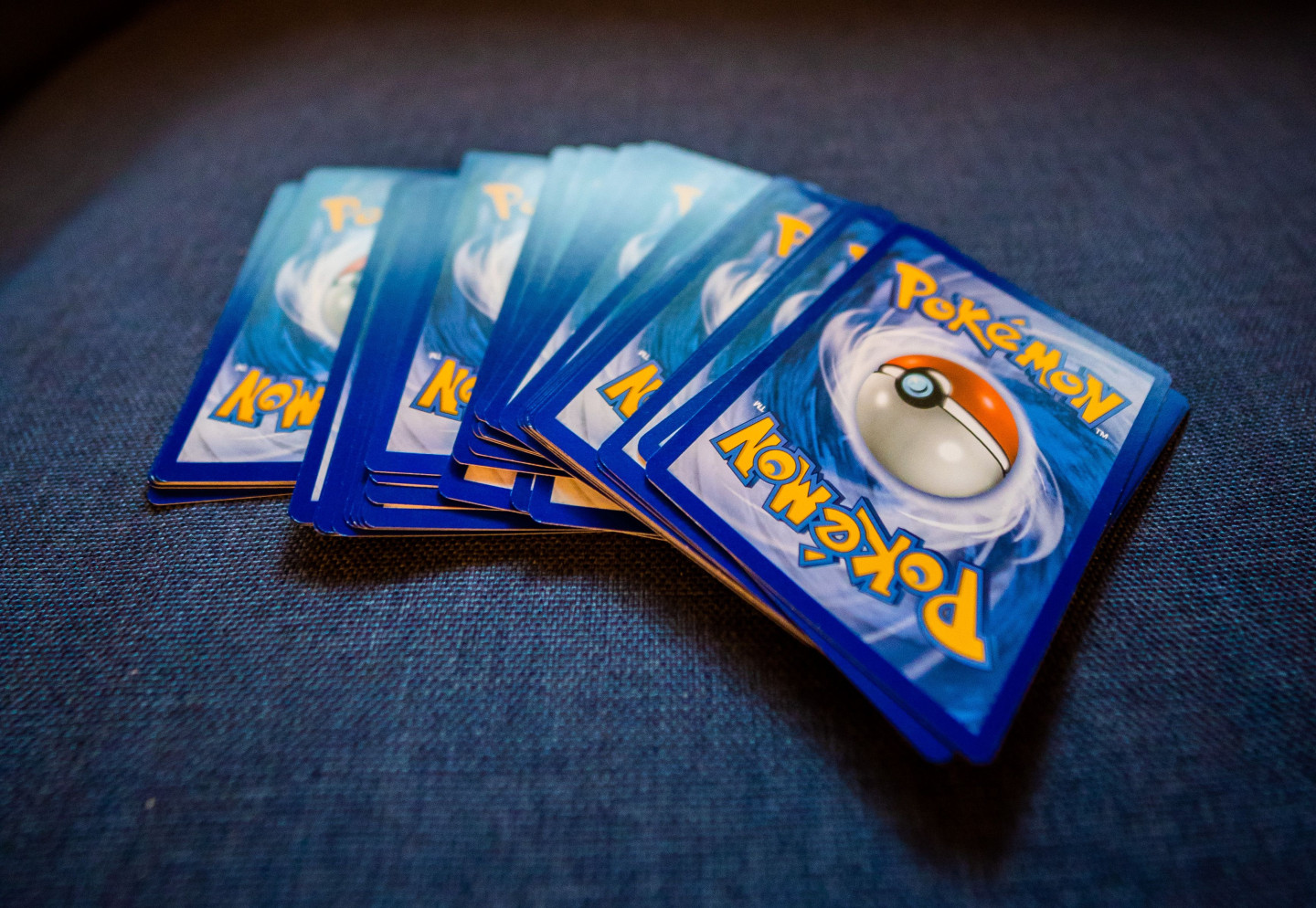
Pokémon cards are experiencing another major boom, with collectors chasing rare pulls, vintage cards and high grades. What was once primarily a childhood hobby has become a huge secondary market, attracting collectors, investors and resellers alike.
On 2 June 2026, PSA suspended all four Value grading tiers to tackle a backlog of nearly 10 million cards. Despite grading five times as many cards daily as in 2021, demand continues to outstrip capacity. For those of us who built grading-company waiting rooms during the pandemic, this was familiar territory.
The 2020–21 collecting boom, then driven largely by baseball cards, overwhelmed grading companies almost overnight. Managing submission windows became a major part of our work. The market eventually cooled, but today's Pokémon boom has brought back many of the same challenges, making the two periods worth comparing.
The first wave
The boom of 2020 and 2021 was a loud one. eBay said domestic trading card sales grew by 142% in 2020, which meant more than four million additional cards sold compared with the previous year. By early 2021, PSA was taking in over half a million cards every week and had built up a backlog of roughly 12 million. In March of that year, it suspended nearly all of its service levels, explaining that it would have been disingenuous to keep accepting cards it could not process. Two months later, after fights broke out over restocks, Target removed sports and Pokémon cards from its stores entirely.
Our waiting rooms were built for those conditions, in which submission windows were oversubscribed within minutes of opening, pre-orders for graded product sold out in seconds, and bots were present at every one of them.
The second wave
This time the numbers are larger, and the cards driving them are different. PSA, CGC and TAG together authenticated more than 26 million cards in 2025, a record for all three. For the first time, trading card games and non-sports cards (16.8 million) outnumbered sports cards (10 million), and Pokémon alone made up more than 16.1 million of the total. Baseball, which powered the previous boom, accounted for 3.6 million. In the first half of 2025, 97 of the 100 cards most often submitted to PSA were Pokémon.
Retailers have seen the same shift. Target reported that its trading card sales grew by nearly 70% in 2025, putting the category on course to exceed a billion dollars. On Walmart's marketplace, card sales rose by 200% between early 2024 and mid-2025, while Pokémon sales grew tenfold. eBay has recorded ten consecutive quarters of growth in card sales, and Circana attributes 67% of last year's growth in the entire US toy industry to trading cards.
Production did not keep up with this same pace of growth. In the year to March 2026, The Pokémon Company printed around 10 billion cards, taking its lifetime total from 75 billion to more than 85 billion, and it still fell short of demand. Sealed product sells out within minutes at every major retailer, and prices at the top of the secondary market have climbed accordingly. In February 2026, a PSA 10 Pikachu Illustrator sold for $16.49 million, more than has ever been paid for any trading card.
Where retailers are going wrong
Anyone who sells cards online will already know all of this. You will have seen restocks disappear in under a minute, and you will have had customers accuse you of selling to bots while bots were, in fact, buying your stock.
Most retailers have responded by putting restocks behind a queue that opens the moment stock goes live and admits people in the order they arrived. That does nothing to remove the bots. They simply race to the queue instead of the checkout, and because they get there first, they still win. The official Pokémon store, meanwhile, has been allegedly cancelling botted pre-orders by the thousand, and some genuine customers have been caught up in those cancellations.
What still works
We have dealt with this before, and the measures that worked in 2021 are just as effective now.
The first is to open the queue well ahead of the sale and randomise everyone's position when the sale begins. A countdown gives you time to examine who is waiting, and random allocation means that turning up 200 milliseconds early gives nobody an advantage.
The second is to stop bots before they get anywhere near your stock, rather than cancelling their orders after they have checked out. If you find yourself cancelling orders, the bots have already got through.
The third is to connect the queue to your inventory, so that when the last box sells, the waiting room tells people so instead of sending another 4,000 of them through to a sold-out page.
The fourth is to show genuine customers what is going on, including their position in the queue, their estimated wait and how much stock remains. A queue that is fair but opaque will not feel fair to the people standing in it.
What we are seeing
Over the past few months, card sellers on Shopify and other platforms have been signing up in large numbers, ranging from single-store businesses to some of the biggest names in the market. At least one of the grading companies we worked with in 2021 has also come back to us.
If you run card drops and expect traffic on the scale that brought sites down last time, we are ready for it. Shopify merchants can find the CrowdHandler Waiting Room app in the App Store, where the Lite tier is free. For other platforms, our JavaScript and API integrations work just as they did for the graders in 2021, except that they now have five more years of bot behaviour to learn from.
If you’re running a card drop, sign up to CrowdHandler for free.
Sources
- eBay 2020 figures (142%, 4M cards): widely reported; summarised at https://jackchapel.substack.com/p/the-sports-card-bubble-isnt-coming
- PSA March 2021 suspension and 12M backlog: https://www.sportscollectorsdaily.com/psa-suspends-lowest-cost-services-as-submissions-pile-up/
- Target pulls cards from stores, May 2021: https://fortune.com/2021/05/14/target-pulls-pokemon-baseball-trading-cards
- 2025 grading totals (26M; TCG 16.8M vs sports 10M; Pokémon 16.1M; baseball 3.6M): GemRate via https://sports.yahoo.com/articles/major-authenticators-graded-more-26-051500958.html
- 97 of top 100 submitted cards Pokémon, H1 2025: GemRate via https://www.cllct.com/sports-collectibles/sports-cards/how-many-cards-grade-as-10s-gem-rate-at-43-so-far-in-2025
- Target, Walmart, eBay, StockX 2025 figures: https://www.axios.com/2025/08/23/pokemon-card-trading-cards-boom-target-ebay-sales
- Circana 67% of US toy industry growth; eBay $2.62bn singles: https://voxbooster.com/blog/trading-card-statistics-2026/ (aggregator, verify against Circana)
- Pokémon card print volumes (10B/year, 85B lifetime): https://www.shanethegamer.com/research/pokemon-sales-analysis/ (citing The Pokémon Company via PokeBeach/PokeGuardian)
- Pikachu Illustrator $16.49M, Feb 2026: Goldin Auctions, widely reported
- PSA Value tier pause, June 2026, ~10M backlog, output 5x 2021: https://www.sportscollectorsdaily.com/psa-shuts-down-some-services-as-backlog-reaches-10-million-cards/
- Retail queue-gating by arrival order: https://tcgdropradar.com/retailer/walmart/
- Pokémon Center order cancellations, Sept 2026: https://kotaku.com/pokemon-tcg-30th-celebration-orders-cancelled-bots-scalpers-center-company-2000732116